


Maintaining Perspective in the Face of Adversity
- Apr 20, 2023
- 5 min read
“The mind can go either direction under stress—toward positive or toward negative: on or off. Think of it as a spectrum whose extremes are unconsciousness at the negative end and hyperconsciousness at the positive end. The way the mind will lean under stress is strongly influenced by training.” – Frank Herbert, Dune
“I’m having an existential crisis,” or some variation of that remark has been relayed to me a lot in my time here. It is not surprising that many of the students who attend UCLA hit a wall upon their arrival. Perfection seems expected for mere acceptance to the institution. When one gets used to perfection, it becomes a standard. An expectation. Once that expectation crumbles, panic ensues. The dreaded imposter syndrome swings around. I’ve watched friends of mine rise above this “wall,” but also witnessed people I used to call friends submit to their panicked thoughts. Often, their inability to maintain perspective led them to bend to their impulsive self-sabotaging thoughts. A few have cut ties with me with the claim that they don’t have time for friends nor deserve to.
So where do I stand?
In all honesty, my stress levels before UCLA were at the highest they have ever been. Before my time at a local community college, I attended a rigorous all-girls private high school in Los Angeles, where imposter syndrome haunted my every thought. Stress consumed me when my grandmother passed and it shook up my family life. My academic performance began to slip. Because of my poor grades, I didn’t deserve to feel happy. My academic counselors even seemed to enforce this notion.
Junior year of high school, my advisor began to pull me into her office. “Other students’ fathers have died and they still maintain good grades,” she told me.
I sat in silence with no response. To hear this comparison out loud only validated my preexisting imposter syndrome.
After this, the consequences of my inability to maintain perspective began to surface. I saw stars in my eyes before every test. For a time, I even developed a condition known as Trichotillomania where I anxiously picked out my eyebrows.
I couldn’t go directly into college like this.
While my depression began to quell during my senior year of high school, there was no college I was passionate about attending except UCLA. Though, with where I currently stood mentally, academically, and socially I knew I needed to garner better methods of maintaining perspective.
I viewed my time in high school as a learning experience. Community college equipped me with the proper tools to maintain perspective.
Even so, my first quarter at UCLA was tough. I initially transferred during the covid-19 pandemic when every class was held on Zoom. Because of other challenges in my personal life at the time, I decided it was best to take a gap year, practice maintaining perspective, and return when in-person classes returned.
When I first stepped foot onto campus for the first time, I heard about transfers experiencing numerous difficulties during their transition. It made me hesitant. I remembered how unintelligent in high school I felt. Would I feel like that again? Yet, I remembered what I wrote my essays on that led to my acceptance. They were about my ability to maintain perspective and a level head in times of crisis in my personal life.
While there certainly was a small adjustment period I went through, I found that my high school experiences properly prepared me for the rigor of UCLA. When self-doubt arises, I constantly remind myself that I got in for a reason. Of course, I still have my moments of panic. Everyone experiences moments of panic. It's how you react to that initial feeling of panic that counts. It makes me laugh when I’m designated as the “chill friend” after what I previously have been through. To my surprise, I often find myself being the one to help people who face the infamous wall they hit.
I hope I can share what I learned here in this blog for those it might help:
1. Don’t Compare
Unfortunately, I am still trying to cut this habit. The stigma my major carries made me develop my brand of strange imposter syndrome, especially regarding feeling unintelligent due to my choice of major. The environment here almost makes me feel guilty for admitting I like my major, for fear that enjoyment in what I do might be seen as “easy.” I still feel like I must maintain perfection to be taken seriously among STEM students. What helps me relieve the urge to compare is turning inward. Boundaries are important. Remember that self-validation is not selfish nor egotistical. Focus on yourself and your successes. Not what others deem as successful.
2. Go Outside
No, seriously. Go outside. My stress levels skyrocket when I’m cooped up in my house, my apartment, or somewhere indoors all day. Though, as soon as I step outside just to take a walk around Westwood my anxiety calms. Take advantage of UCLA’s beautiful campus and weather.
3. Work Out
I think one of the biggest things that led to my mental decline in high school was my impulsive decision to quit sports after dealing with toxic coaches. I underestimated how much of a release exercise was for me. It became an outlet for easing my stress. I believe that my decision to return to sports and exercise at UCLA has helped me out of my depressive funk more than any other activity. Take advantage of the gyms at UCLA. Take advantage of the various recreation classes offered. If a team sport is calling to you, many of the club sports here accept rookies! While I played lacrosse before UCLA, division 2 lacrosse allowed me to return to the sport despite the rustiness of my skill level. Exercise also increases my ability to focus and silences my impulsive thoughts.

4. Get an Outsider’s Perspective
As the cliché saying goes: You are your own worst critic. When I talk to a trusted friend, I find I can sort through what is logically bothering me. An outsider’s advice gets me out of my head and allows me to reasonably judge the situation.
5. Create a Relaxing Environment
Take a shower. Light a candle! Breathe. I find that simply taking better care of myself has increased my ability to focus. Make sure the space you do your work in is free from tension. For me, a stressful environment deters my ability to focus.
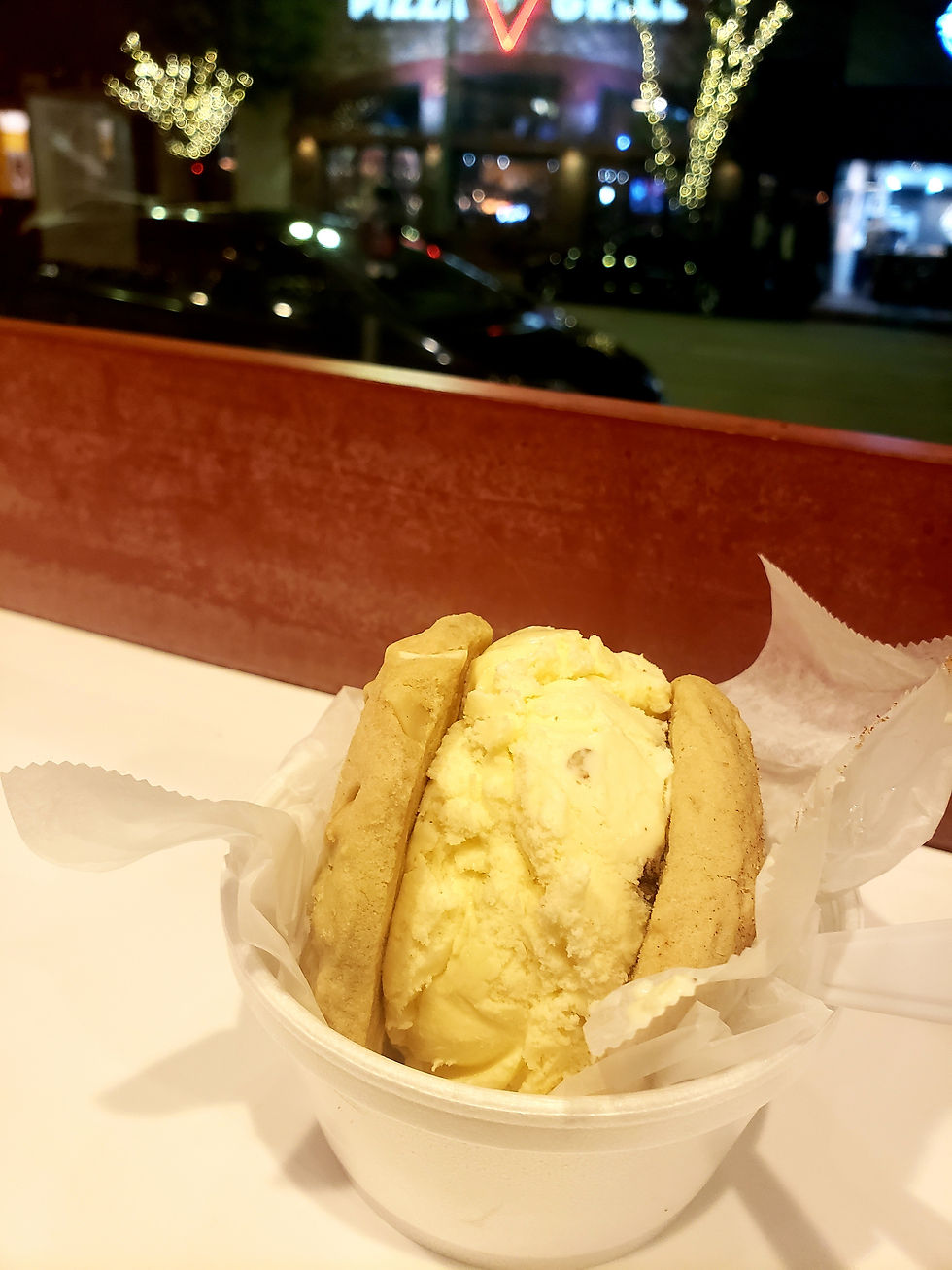
6. Reward Yourself
Setting a reward once a goal gets met is helpful. In winter, I often beat myself up for choosing to do a thesis with the stress it was causing me. Though, as I write the final pages of my draft I think about the celebratory events I have planned for myself after I write it. Doing this lifted much of the brain fog that clouded me during the winter quarter.
I find it is often hard to convey general advice through the written word. Nonetheless, I hope my experiences and tips resonate with some of you.
Have you ever hit an academic “wall?” Have you faced imposter syndrome? How did you overcome it?


Hey Kathleen!
I really enjoyed reading this blog post and your website overall! First, I really enjoyed the matching color schemes and title on your homepage because it was very creative! Additionally, I found that this blog post seemed to have a great amount of thought put into it in that you were able to show me that you are passionate about self-care and maintaining a healthy perspective in your life! Overall, each tip was really helpful and I look forward to see what comes next!